Comfort food has a special place in our lives. It brings warmth, nostalgia, and satisfaction after a long day. Whether it’s creamy pasta, crispy fried snacks, or sweet desserts, these meals often feel like a reward. But the downside? Many comfort foods are high in calories, unhealthy fats, and sugar.
The good news is you don’t have to give up your favorite dishes to live healthier. With a few smart tweaks, you can enjoy comfort food that tastes just as satisfying while being better for your body. In this guide, you’ll discover practical comfort food hacks that solve real problems—like cutting calories, saving time, and boosting nutrition—without sacrificing flavor.
Why Traditional Comfort Foods Can Be Problematic
Most classic comfort foods are designed for taste, not nutrition. They often include heavy cream, butter, refined carbs, and deep frying. While delicious, frequent consumption can lead to weight gain, low energy, and long-term health issues.
Another issue is portion size. Comfort foods are easy to overeat because they’re rich and satisfying. This makes mindful eating even more important.
Instead of eliminating these foods, the smarter approach is to modify them in a way that maintains flavor while improving nutritional value.
Smart Ingredient Swaps That Actually Work
One of the easiest ways to upgrade comfort food is by swapping ingredients without changing the overall dish.
Try these practical swaps:
-
Replace heavy cream with yogurt or low-fat milk
-
Use whole wheat pasta instead of refined pasta
-
Swap white rice for brown rice or quinoa
-
Choose olive oil instead of butter
-
Use air-fried options instead of deep-fried
These small changes can significantly reduce calories and improve digestion without affecting taste too much.
Lighten Up Your Favorite Comfort Meals
You don’t need to completely change your meals—just adjust how they’re prepared.
Healthier Pasta Dishes
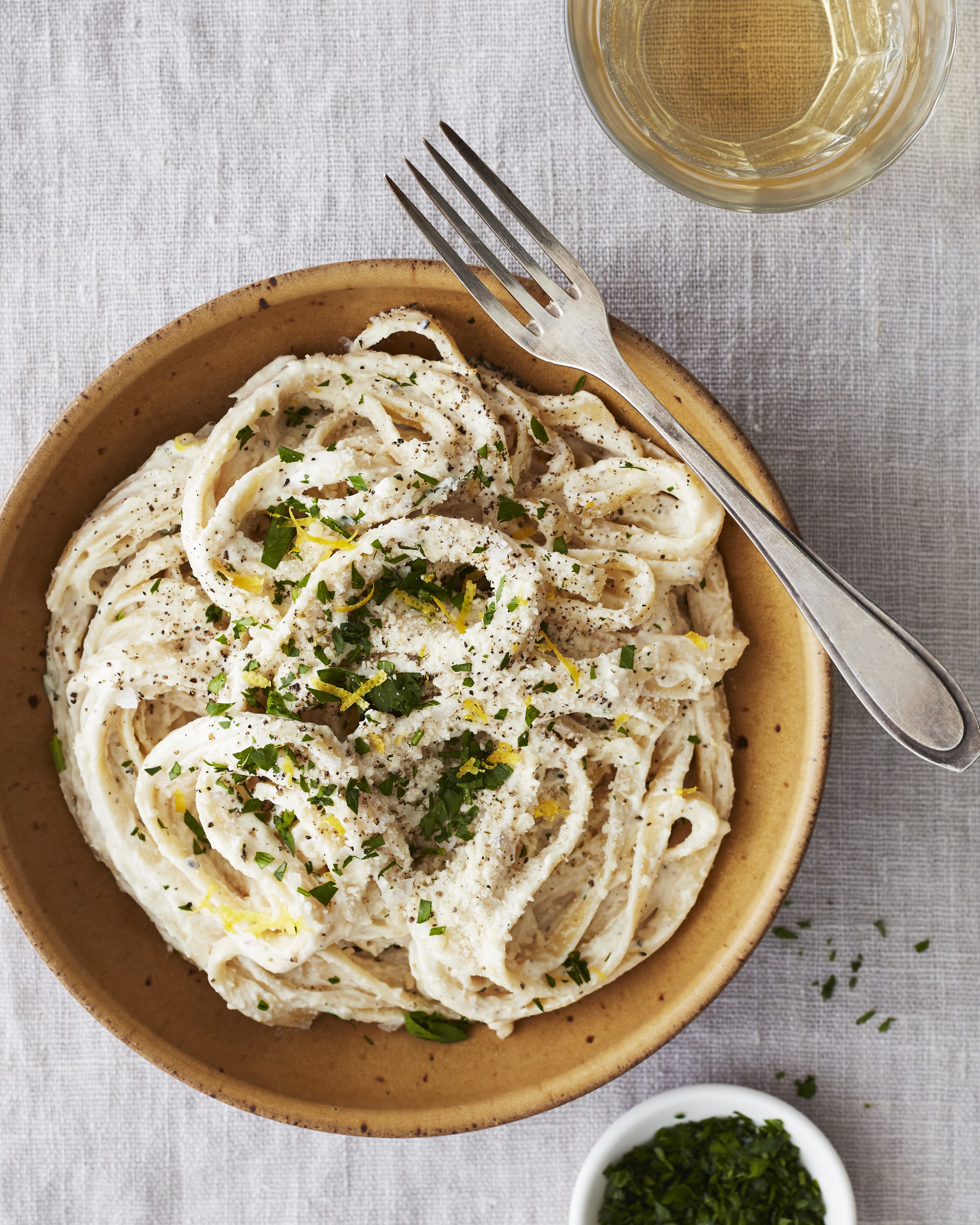

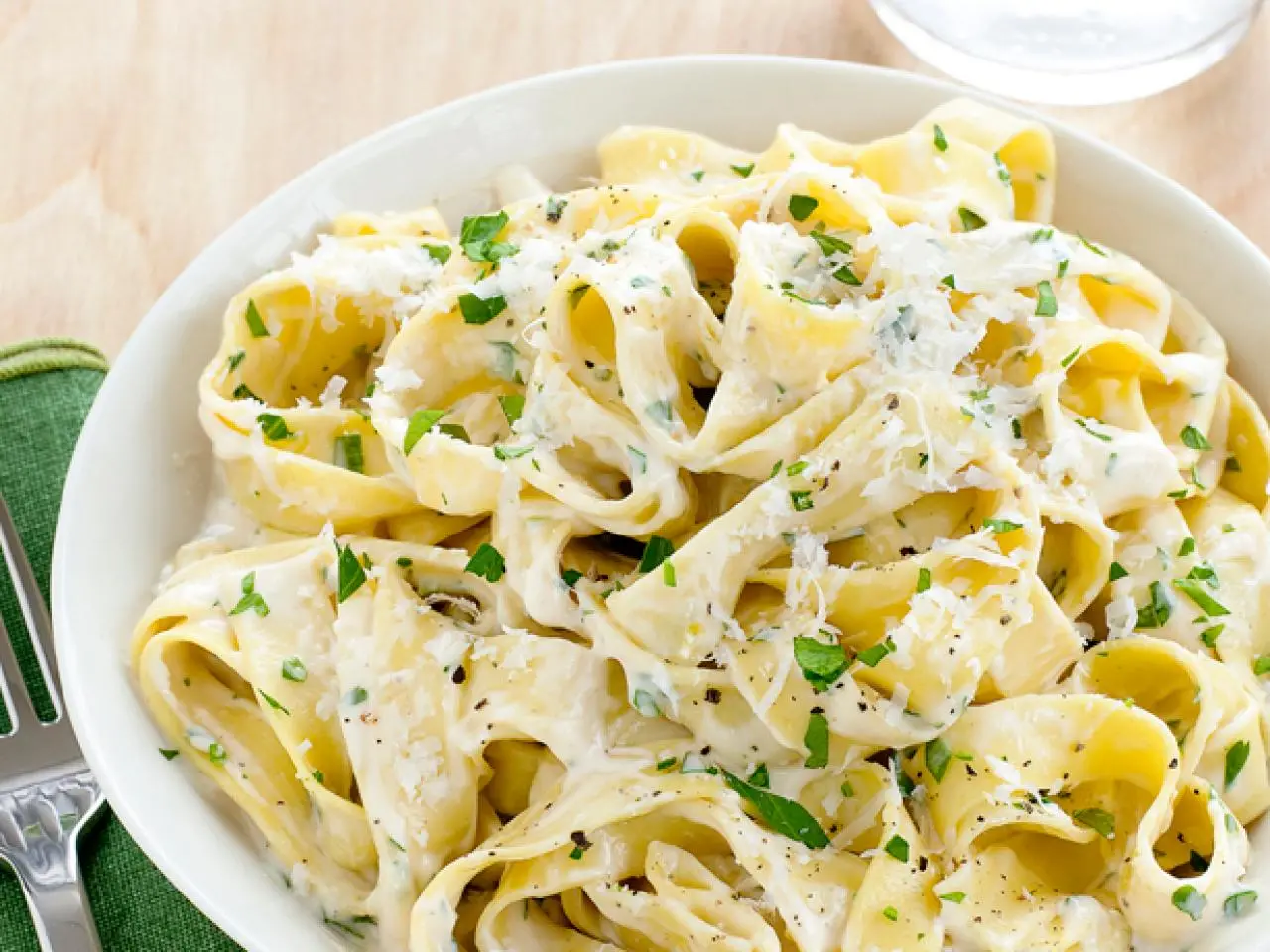
Instead of heavy cream-based sauces, try using blended yogurt, tomatoes, or vegetable-based sauces. Adding vegetables like spinach, mushrooms, or broccoli boosts fiber and nutrients.
Better Fried Foods


Air fryers are a game-changer. You can achieve the same crispy texture with little to no oil. Baking is another great alternative to deep frying.
Guilt-Free Desserts


Use natural sweeteners like honey or dates instead of refined sugar. You can also replace white flour with oat or almond flour for added nutrition.
Control Portions Without Feeling Deprived
Portion control doesn’t mean eating less—it means eating smarter.
Simple strategies include:
-
Use smaller plates to naturally reduce portions
-
Eat slowly and mindfully
-
Balance your plate with protein, carbs, and vegetables
When you eat slowly, your brain has time to recognize fullness, preventing overeating.
Add Nutrition Without Changing the Taste
One of the best hacks is adding healthy ingredients without altering the flavor significantly.
For example:
-
Add grated vegetables (like carrots or zucchini) into sauces
-
Mix lentils into ground meat dishes
-
Add seeds or nuts to meals for extra nutrients
These additions increase fiber and vitamins while keeping your meals delicious.
Cook Faster with Simple Meal Prep Hacks
Comfort food doesn’t have to take hours to prepare.
Time-saving tips:
-
Pre-chop vegetables and store them in the fridge
-
Cook large batches and freeze portions
-
Use one-pot recipes to reduce cleanup
Meal prep helps you avoid unhealthy last-minute choices and keeps your diet consistent.
Make Comfort Food More Filling
Many comfort foods lack protein and fiber, which leads to overeating.
To fix this:
-
Add lean protein like chicken, eggs, or beans
-
Include fiber-rich foods like vegetables and whole grains
This keeps you full longer and reduces unnecessary snacking.
Upgrade Your Cooking Methods
How you cook matters just as much as what you cook.
Healthier cooking techniques include:
-
Grilling instead of frying
-
Steaming instead of boiling
-
Baking instead of deep frying
These methods help retain nutrients while reducing unhealthy fats.
Stay Consistent Without Giving Up Your Favorites
The biggest mistake people make is trying to completely eliminate comfort foods. This often leads to cravings and binge eating.
Instead:
-
Follow the 80/20 rule (80% healthy, 20% indulgent)
-
Allow occasional treats without guilt
-
Focus on long-term habits
Balance is the key to sustainability.
FAQ Section
1. Can comfort food be healthy?
Yes, with the right ingredient swaps and cooking methods, comfort food can be both delicious and nutritious.
2. What is the healthiest way to cook comfort food?
Baking, grilling, and air frying are healthier alternatives to deep frying.
3. How can I reduce calories without losing taste?
Use smart swaps like yogurt instead of cream and natural sweeteners instead of sugar.
4. Are cheat meals necessary?
Cheat meals aren’t required, but occasional indulgence can help maintain balance and prevent cravings.
5. How do I stop overeating comfort food?
Practice portion control, eat slowly, and include protein and fiber to stay full longer.
Conclusion
Comfort food doesn’t have to be unhealthy. With simple, practical hacks, you can enjoy your favorite meals while improving your overall well-being. From smart ingredient swaps to better cooking methods and portion control, these strategies help you create a balanced approach to eating.
The goal isn’t to give up comfort food—it’s to make it work for your lifestyle. When you combine flavor with smarter choices, you get the best of both worlds: satisfaction and health.